
What Are the White Spots on My Teeth?
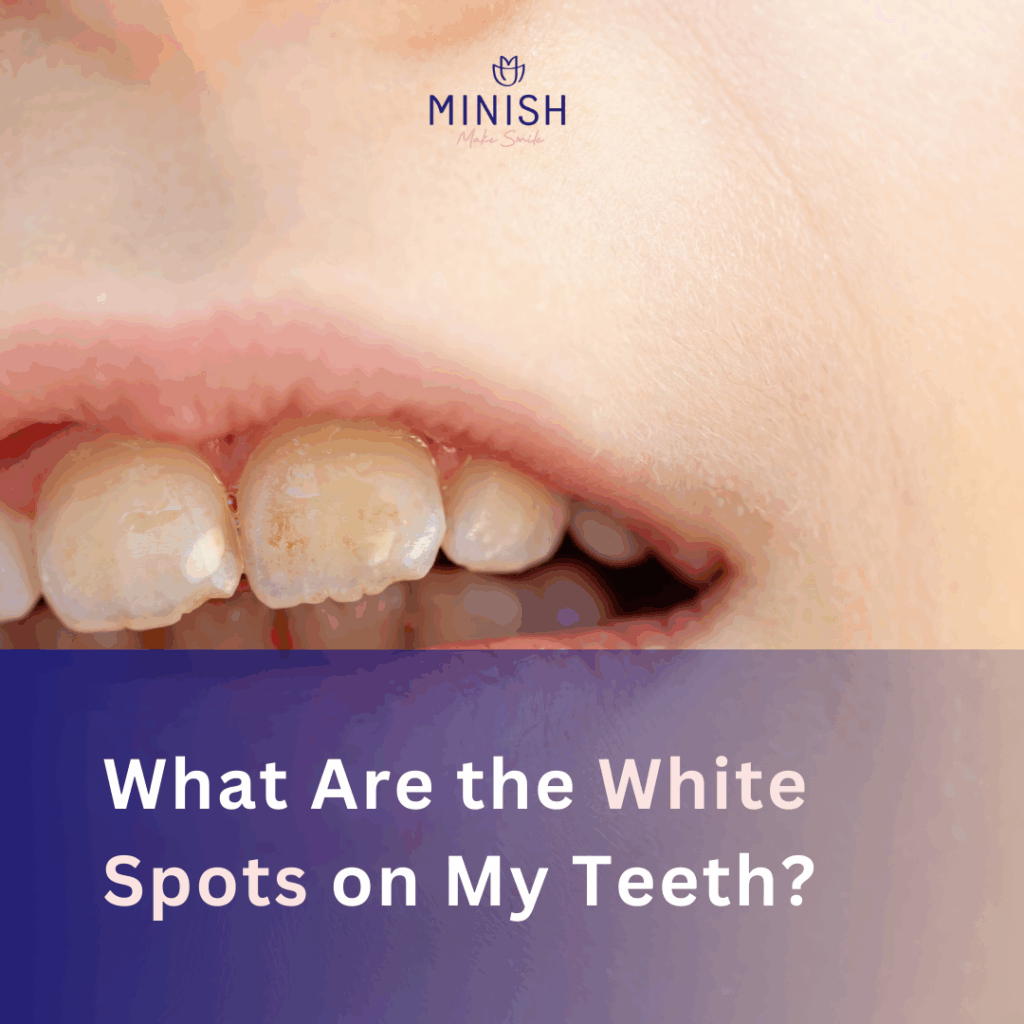
White spots on teeth—such as streaks, chalky patches, or distinct lesions—can signal enamel problems that need a professional check. These lesions may represent early-stage dental caries or other structural concerns that go beyond cosmetic issues.
For dental providers, identifying and managing white spot lesions presents an opportunity to implement effective, minimally invasive solutions. Specialized white spot lesion dental treatment helps address patient concerns and shows a clinic’s dedication to quality care. At MINISH Veneers, we use advanced biomimetic veneer technology to provide reliable, natural-looking results while preserving tooth structure, making it a great choice for enamel irregularities.
Common Causes of White Spots on Teeth
Excessive Fluoride Intake (Dental Fluorosis)
One of the most common reasons for white spots is overexposure to fluoride during childhood. Dental fluorosis happens when developing teeth get too much fluoride for the enamel to absorb properly. Instead of smooth, evenly mineralized enamel, streaks or chalky patches appear on the tooth surface.
While fluorosis doesn’t always compromise oral health, the discoloration can be permanent and resistant to whitening treatments. For many patients, the issue is purely aesthetic; teeth may function normally but appear mottled or stained. For others, uneven mineralization can make tooth surfaces rougher, trapping plaque and raising long-term risks. Effective enamel demineralization management is therefore an important consideration in diagnosis and treatment planning.
Providers often face the challenge of explaining to patients why traditional bleaching won’t solve fluorosis. The underlying issue isn’t surface discoloration but structural enamel differences. Biomimetic restorations, like MINISH Veneers, can improve appearance while keeping teeth strong and supporting long-term oral health.
Nutritional Imbalance and Enamel Hypoplasia
During childhood, nutrition plays a crucial role in enamel formation. Not getting enough calcium, vitamin D, or other important minerals can cause enamel hypoplasia—thin or weak enamel that looks like white or yellow spots. Premature birth, childhood illness, certain health conditions, or long-term use of fixed orthodontic appliances that make cleaning harder can also cause this mineral loss.
Unlike fluorosis, enamel hypoplasia often weakens teeth structurally. Patients may notice their teeth chip easily, feel sensitive, or appear irregular in thickness. This not only affects appearance but also raises the risk of cavities and ongoing wear.
For providers, these cases present an opportunity to restore both form and function. Simply covering the spots with resin may not address the underlying weakness. Durable, conservative restorations like minimally invasive veneers show how saving tooth structure and improving appearance can go together—providing a reliable solution for enamel defects and mineral loss.
Poor Oral Hygiene and Demineralization
Another frequent cause of white spots is demineralization of enamel, especially in patients with a history of orthodontic treatment. Brackets and wires make cleaning difficult, and plaque accumulation leads to localized enamel breakdown. Even after removing braces, chalky patches remain as visible reminders of past habits. This process often causes a loss of important minerals like calcium and phosphate, which help keep enamel strong and healthy.
Demineralization represents more than a cosmetic problem—it’s often the earliest stage of tooth decay. Without intervention, these white lesions can progress into cavities. Seeing these spots may frustrate patients, as they believe the lasting marks have spoiled their orthodontic investment.
Providers can explain that fluoride and remineralizing pastes can slow the damage by adding calcium and phosphate, but they rarely remove the spots entirely. Treatments like resin infiltration or veneers can stop decay and help patients feel confident about their smiles after orthodontics.
Early Stages of Tooth Decay
In certain cases, white spots represent the initial indication of cavity formation. When acids from bacteria begin breaking down enamel, the surface turns opaque or frosty. At this stage, there may be no pain, leading patients to underestimate the seriousness.
Left untreated, these lesions can progress quickly. What begins as a cosmetic concern may require fillings or even more extensive restorations down the road. Catching white spots at this stage allows for preventive or cosmetic intervention before structural loss becomes irreversible. Advanced phosphopeptide amorphous calcium phosphate treatments can also help promote remineralization and strengthen enamel before lesions worsen.
Providers who spot early demineralization can use these cases to reinforce the importance of routine checkups and hygiene. Patients often appreciate learning that conservative options, like resin infiltration or veneers, can stop progression while improving appearance.
Treatment Options for White Spots
Resin Infiltration
Resin infiltration is a gentle treatment where clear resin soaks into porous enamel to hide discoloration. This option works well for shallow, localized spots caused by demineralization or early decay. In some cases, combining resin infiltration with casein phosphopeptide amorphous calcium can enhance remineralization and improve long-term enamel integrity.
Resin offers the advantage of simplicity, often completing treatment in one appointment without drilling. However, results may not be as long-lasting or uniform when spots are deeper, widespread, or caused by fluorosis. For many patients, resin provides a temporary aesthetic fix, but not the comprehensive, natural appearance they want.
Providers can use resin as a useful tool in early intervention, but they must manage expectations. Patients who want predictable, long-term improvement will often require a more durable solution.
Porcelain Veneers and Crowns
Traditional porcelain veneers and crowns are well-established solutions for masking white spots. Veneers cover the front surface of teeth, while crowns encase the entire structure. Both can hide severe discoloration, irregular shapes, or structural weaknesses. A systematic review of restorative treatments supports their effectiveness in achieving durable aesthetic results.
The drawback is invasiveness. Placing conventional veneers or crowns requires significant enamel reduction. This permanently alters the teeth, committing patients to future replacements.
For younger patients or those with otherwise healthy teeth, this level of intervention may be unnecessary. Providers may choose crowns for damaged teeth, but a less aggressive approach works better for cosmetic cases and fits modern biomimetic principles.
MINISH Veneers: The Biomimetic Solution
At MINISH Veneers, we specialize in minimally invasive veneers that offer a permanent yet conservative solution for white spots. Unlike traditional veneers, which may require 0.5–1.0mm of enamel reduction, MINISH Veneers are often only 0.1–0.2mm thin.
This preserves healthy enamel while permanently masking white spots. A recent study showed that such minimally invasive approaches significantly reduce the risk of dental sensitivity and structural compromise compared to conventional methods.
These veneers replicate the light reflection, translucency, and surface texture of natural enamel. As a result, they not only cover discoloration but also restore the natural vibrancy of the smile. Patients with fluorosis, hypoplasia, or post-orthodontic demineralization benefit from a solution that looks authentic rather than artificial. Providers may also incorporate preventive measures such as fluoride varnish to enhance enamel strength before veneer placement.
For providers, biomimetic veneer results demonstrate predictable aesthetics, durability, and patient satisfaction. Precision lab work and bonding protocols back the treatment to ensure long-term success. Joining the MINISH Provider Network gives dentists access to advanced training, marketing tools, and recognition for offering minimally invasive, next-generation veneer care.
Preventing White Spots
Good oral care can prevent some white spots from childhood, though others cannot be reversed. Patients should:
- Use fluoride toothpaste appropriately and avoid overuse, especially in children.
- Maintain a balanced diet rich in calcium and vitamins.
- Brush and floss regularly, paying extra attention during orthodontic treatment.
- Schedule routine dental checkups for early detection of demineralization or decay.
Studies show that regular preventive care protects tooth enamel and lowers the chance of white spot lesions. For providers, prevention counseling builds trust and reinforces the importance of minimally invasive dentistry. By combining prevention with advanced treatment options, clinicians can help patients achieve both health and aesthetics.
Why Patients and Providers Choose MINISH Veneers
For patients, MINISH Veneers’ white spot solution builds lasting confidence by treating discoloration while protecting natural teeth. The veneers before and after transformations show how subtle yet precise corrections deliver dramatic, natural-looking improvements.
For dental professionals, MINISH Veneers represents the future of aesthetic dentistry. Offering ultra-thin veneers allows providers to meet rising demand for conservative solutions while differentiating their practices. Becoming a MINISH Partner gives dentists training, lab support, and marketing recognition to consistently deliver top-quality results.
Frequently Asked Questions (FAQs)
Some are, but modern cosmetic treatments, including resin and veneers, can mask them effectively.
No. Whitening often makes white spots more noticeable by brightening the surrounding enamel.
Traditional veneers often require heavy enamel reduction, while MINISH Veneers are ultra-thin and biomimetic, preserving natural tooth structure while delivering esthetic results.
Since enamel preservation is critical for younger patients, MINISH Veneers are a conservative option once permanent teeth are fully developed.
Check Out Our Other Blog Posts!
Looking for more insights on cutting-edge dental technology, minimally invasive treatments, and tips for preserving natural tooth structure? Explore our latest blog posts—from expert advice by Dr. Kang to real success stories and insights from MINISH Dental Hospital.
Whether you’re a dental professional or a curious patient, you’ll find valuable info on everything from tooth integrity, oral health, and innovative dental solutions to the science behind MINISH Veneers.
👉 Stay informed. Stay inspired.